-

Software Development
A perfect combination of innovation, flexibility and adaptability and ease makes our software the ideal solution for any type of business (small or large sized).
Our objective is to provide the most excellent and brilliant software solutions to our customers. Read More -

Web Development
The Internet is an active and ever changing environment and we create plans that fit within your needs and budget.
We offer full support to your web design to make it informative and attractive. Read More -

Mobile Apps
We offer complete package provides our valuable customers with mobile applications that utilize the full extent of mobile applications programming for Android, BlackBerry, iPhone, Windows Mobile, Kindle, and Symbian, amongst others. Read More
- 1
- 2
- 3
Android 4.4 KitKat review
The latest version of its mobile OS proves Google certainly isn't taking a break
Everyone was expecting Key Lime Pie to serve as the delicious moniker for the next version of Android. Google surprised us all by bucking tradition and releasing Android 4.4 under the name KitKat.
Version 4.0 started life as Ice Cream Sandwich, but the last three decimal additions came under the Jelly Bean banner. This new version was obviously deemed different enough to snag a new nickname, but not different enough to merit a jump to version 5.0.
That 0.1 bump hardly does it justice. Don't be fooled: this is an important step up for Android. KitKat is super-smooth, the UI is refined and elegant, there are improvements to the long-neglected calling and messaging side of the platform, a new focus on productivity, and your fortune-telling digital assistant is brought front and centre as Google Now reaches maturity.
General surprise in the tech world wasn't just based on the erroneous supposition that Key Lime Pie had to be next; there were also some raised eyebrows at the idea of Google entering into a tawdry cross-licensing deal with Nestle which would see a flood of Android-shaped KitKats hitting the shops offering buyers the chance to win Nexus 7 tablets or Google Play credit.
According to Google the promotion was its idea, and no money changed hands. With Nestle producing 50 million Android KitKat bars it certainly looks like a sweet deal for them.
Naming conventions aside, the 4.4 update is about addressing some of the Android criticisms that simply won't go away, and it does so very well indeed.
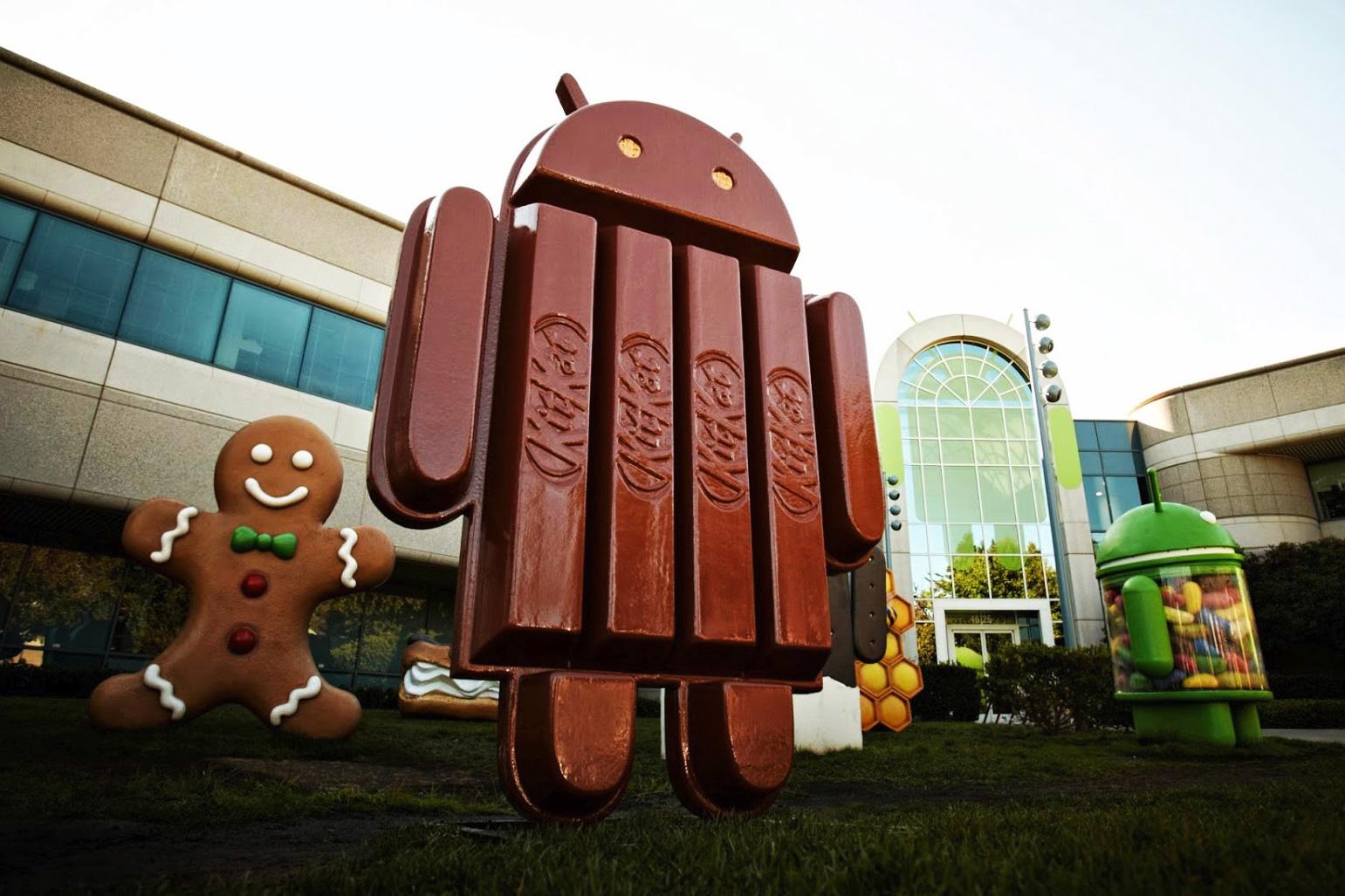
There's a real focus on the consumer here, with a smattering of useful new features, a noticeable bump in performance, and some optimization to ensure that budget hardware is not left behind.
Android 4.4 is easily the best version of the platform to date, and Google has left the ball firmly in the OEMs' court when it comes to rolling out the upgrades.
Leading the field by extending the update beyond its Nexus line to the Moto G also neatly illustrates the move to improve the Android experience on low-end, affordable hardware.
Source: http://www.techradar.com/